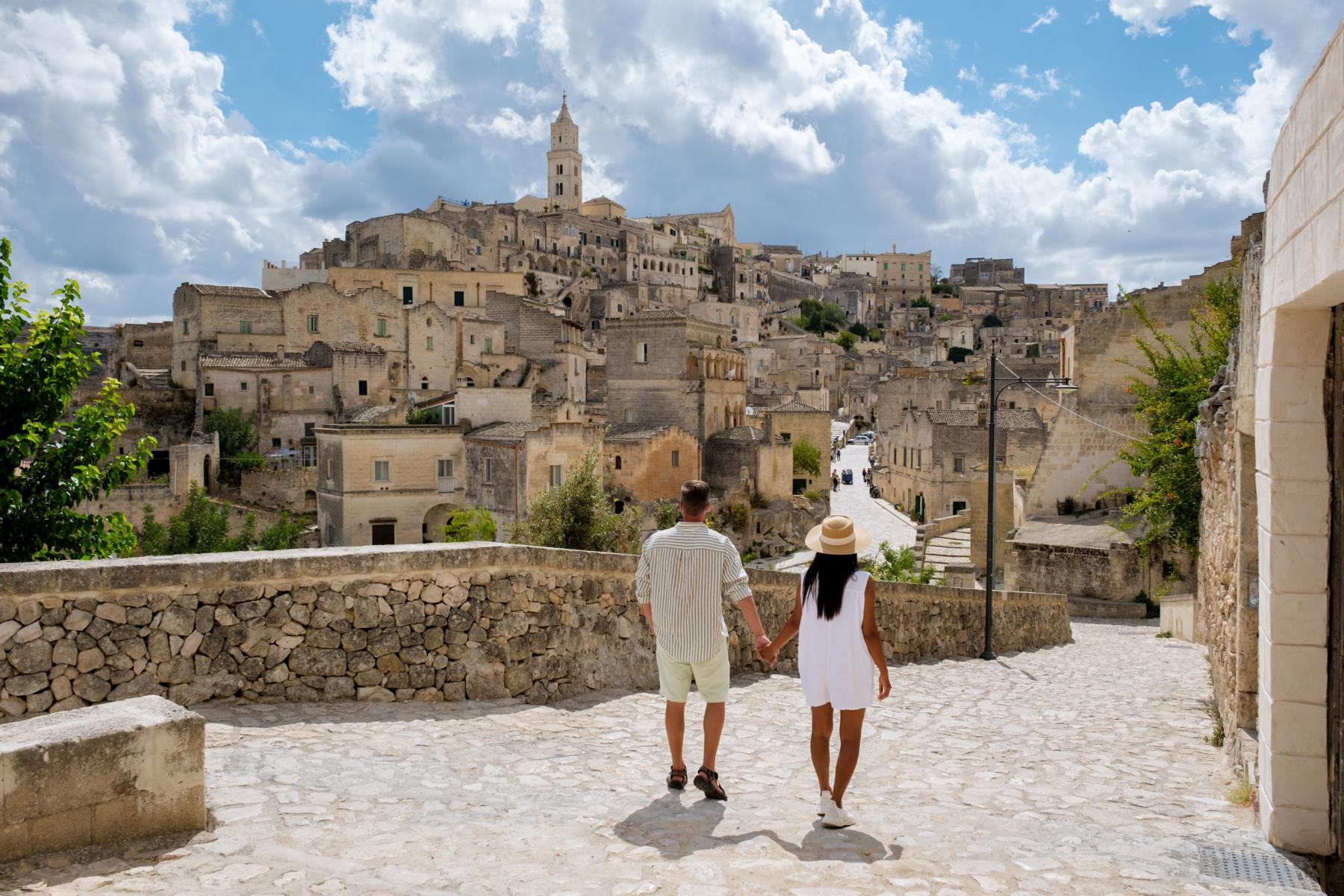
When you mention Basilicata, many people often don't know where this enchanting region in Italy is hiding. Still quite unknown and rich in many extraordinary beauties, bathed by two seas, untouched nature, a rich history and culinary tradition. Basilicata was founded by Matera, UNESCO World Heritage Site and European Capital of Culture a bit better known abroad in 2019, but this region, which is bursting with originality, will certainly change from an insider tip to a hot spot in the next few years.
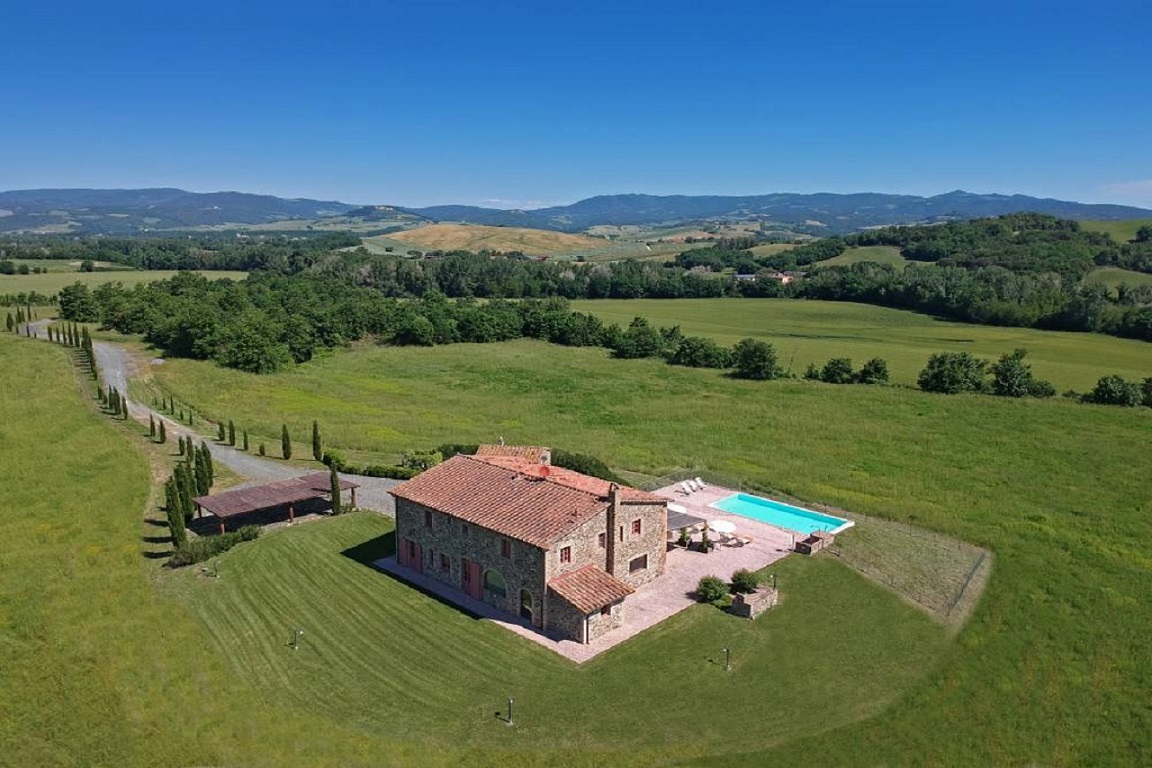
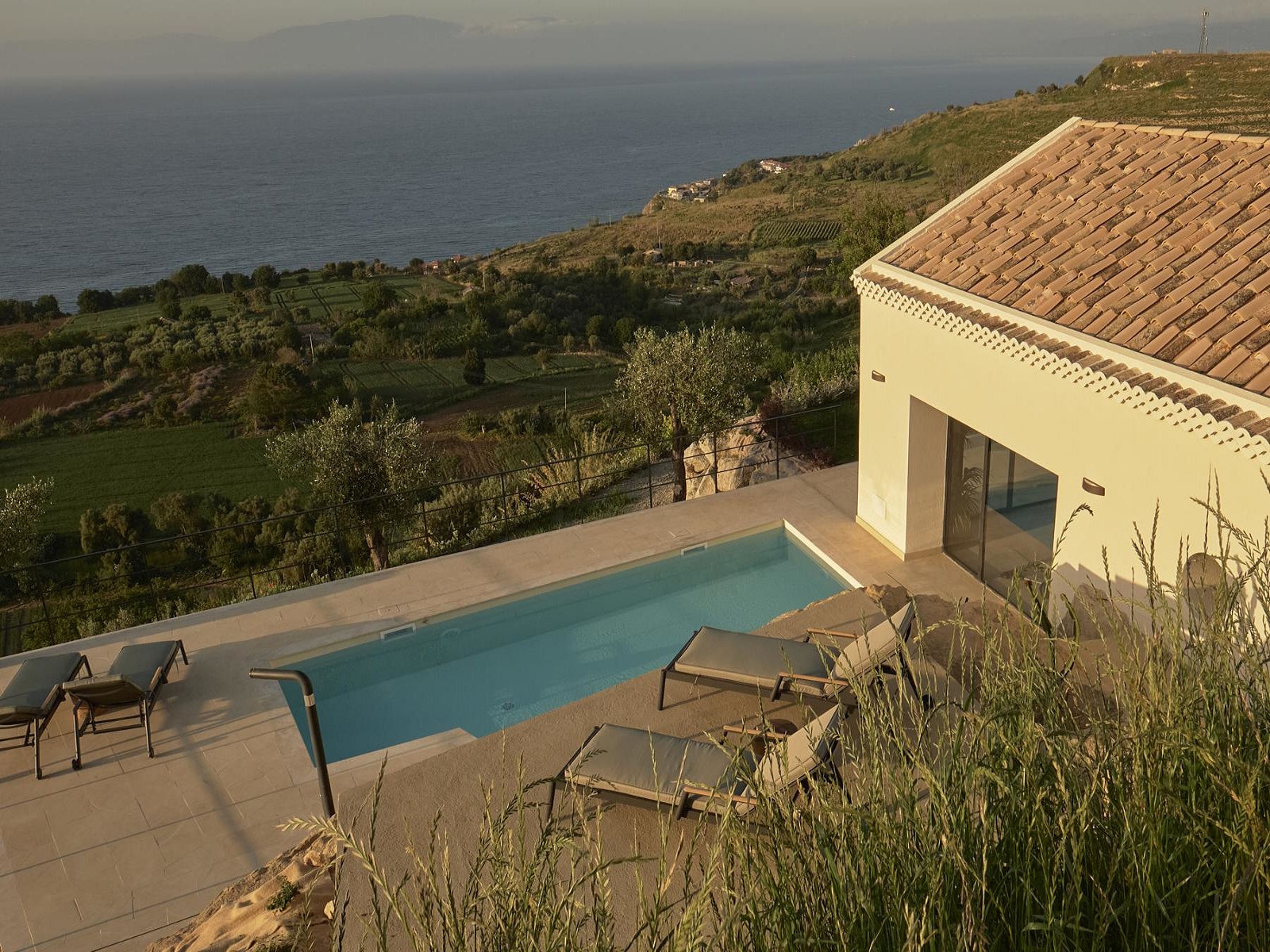
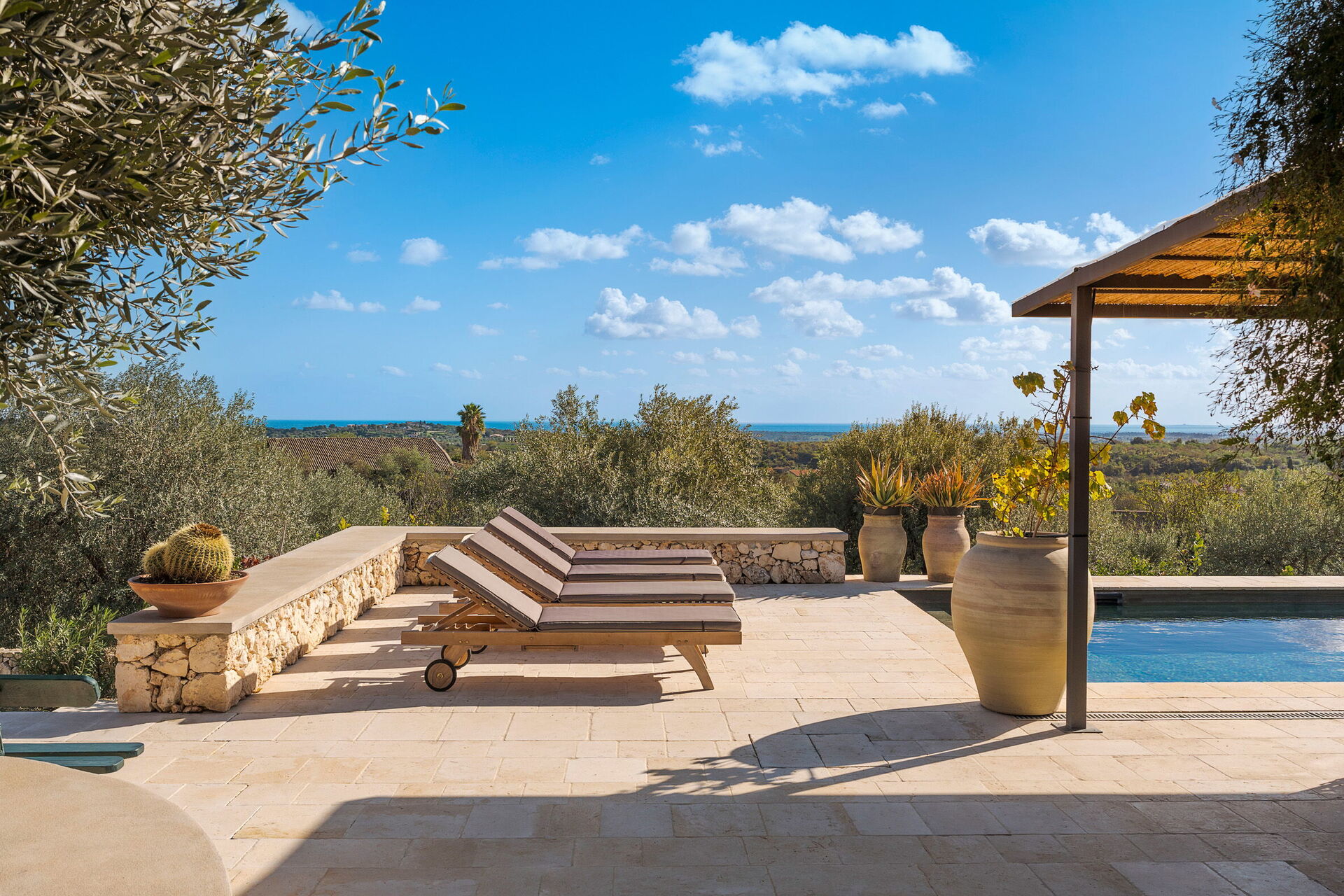
And you can explore all the little pearls and treasures of Basilicata as a family with children or just as a couple from our Torre Fiore accommodation. An ancient masseria with individually decorated rooms, delicious breakfasts and expansive views.
What is the best way to get to Basilicata and when is it particularly nice to travel
Die Basilicata Is located in the deep south of Italy, between Campania, Apulia and Calabria. There is an airport in Potenza. The best way to reach Basilicata from abroad is via Naples in Campania and Bari/ Brindisi in Apulia.
For trips, the best time to travel is spring and autumn. In summer, it can get quite hot at over 30 degrees. On the coast, daytime temperatures in winter are mild and rarely below 0 degrees. It can snow in mountains and at high altitudes.
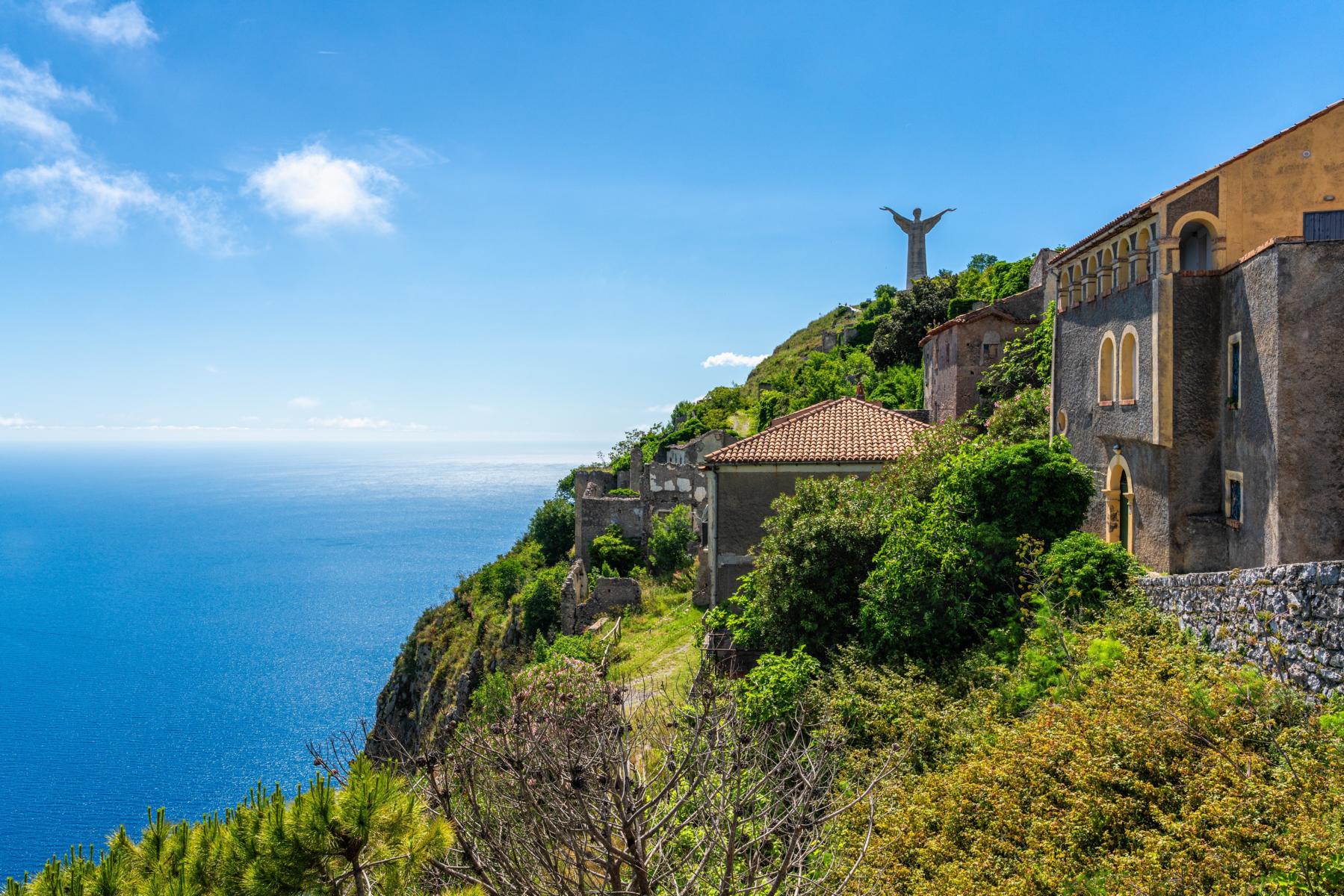
The wonderful sea of Basilicata
Basilicata has a total of just 70 km of coastline and borders the Ionian (long sandy beaches) and Tyrrhenian Sea (bays with volcanic origins). The natural beaches of this small region are among the most beautiful in Italy. There are also nature reserves with sea turtles.
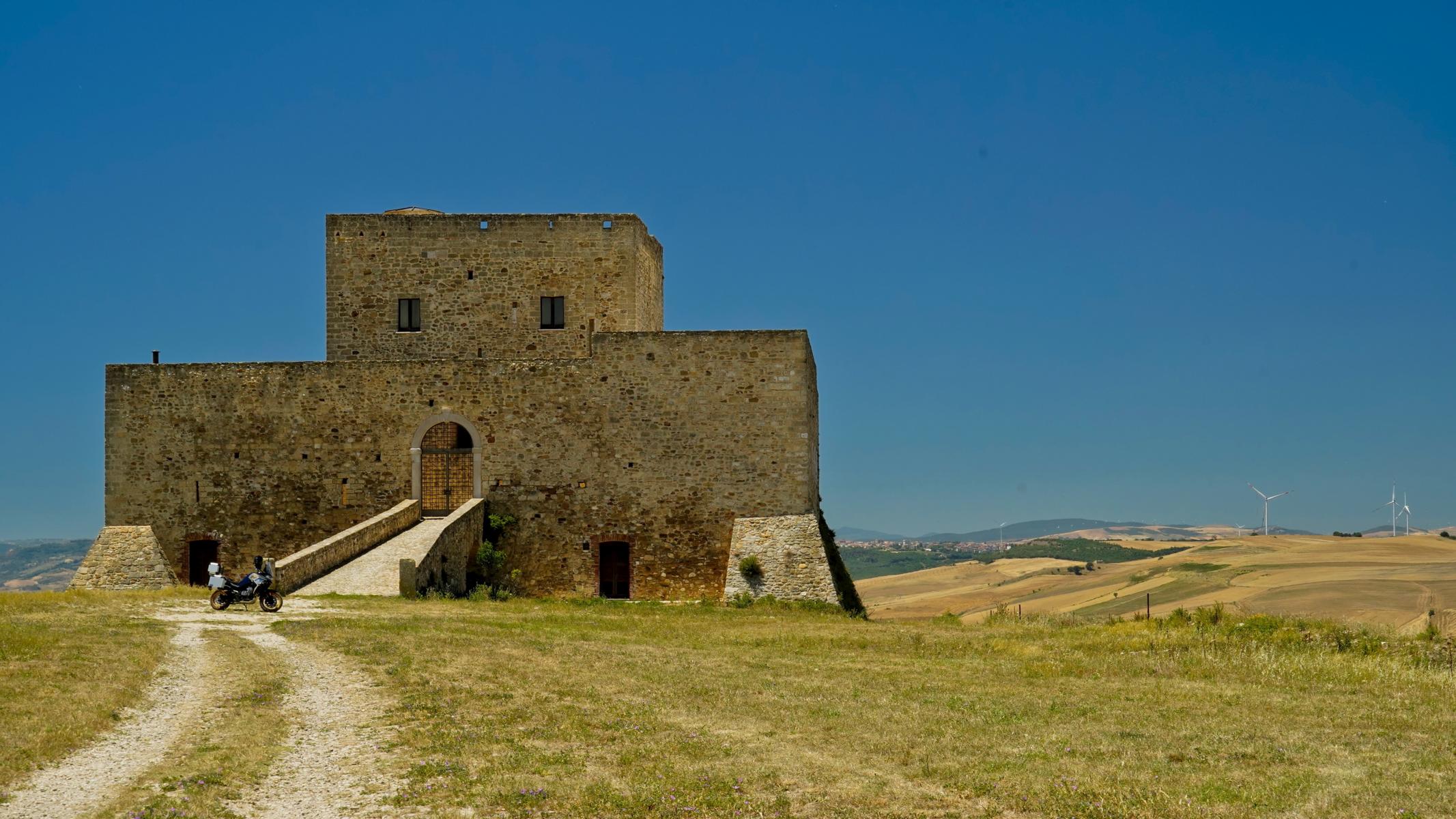
Matera
A must for anyone traveling to Basilicata is Matera With his Sassi.
The Atmospheric Houses Carved into the Rock, the Numerous Rock Churches, the Palombari (Cisterns for Collecting Water) and These Incredible Labyrinths of Narrow Streets Make the City Truly Unique.
Matera, which enchants both day and night, is undoubtedly an open-air museum. It is therefore not surprising that many directors have chosen the city as a filming location for their films in recent years.
But a visit to Matera isn't complete without a visit to Murgia Materana Park.
The 8000 hectare area is not only a treasure trove for biodiversity, but also for history, art and archaeology with its entrenched villages and rock churches!
You can explore it with fantastic hikes, but also with an open-top panoramic bus. How long does it take to visit Matera? Matera is much bigger than what you see on TV and is in fact a treasure trove of treasures, some of which are still little known. We recommend planning at least two days for the visit, as it is worth it.
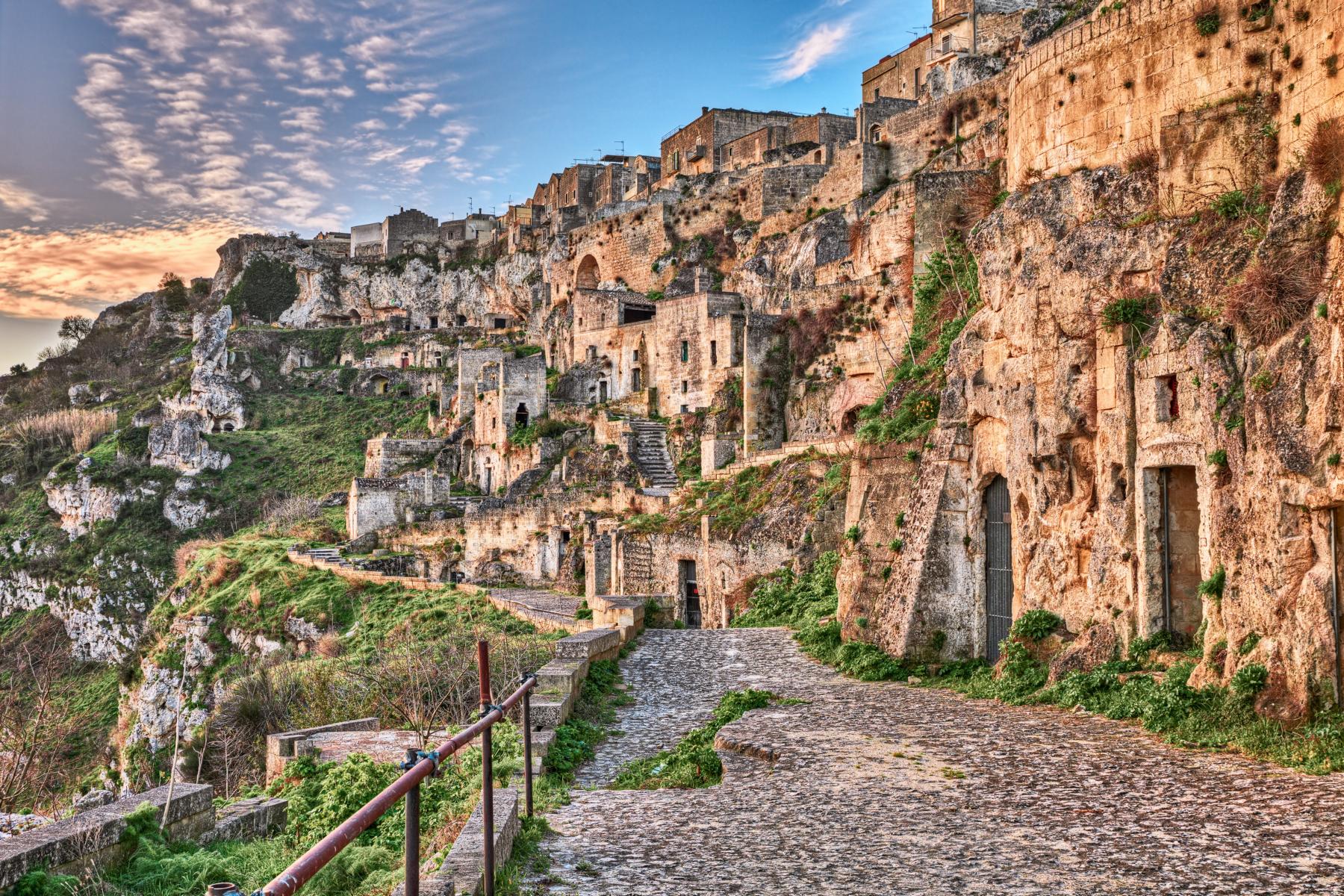
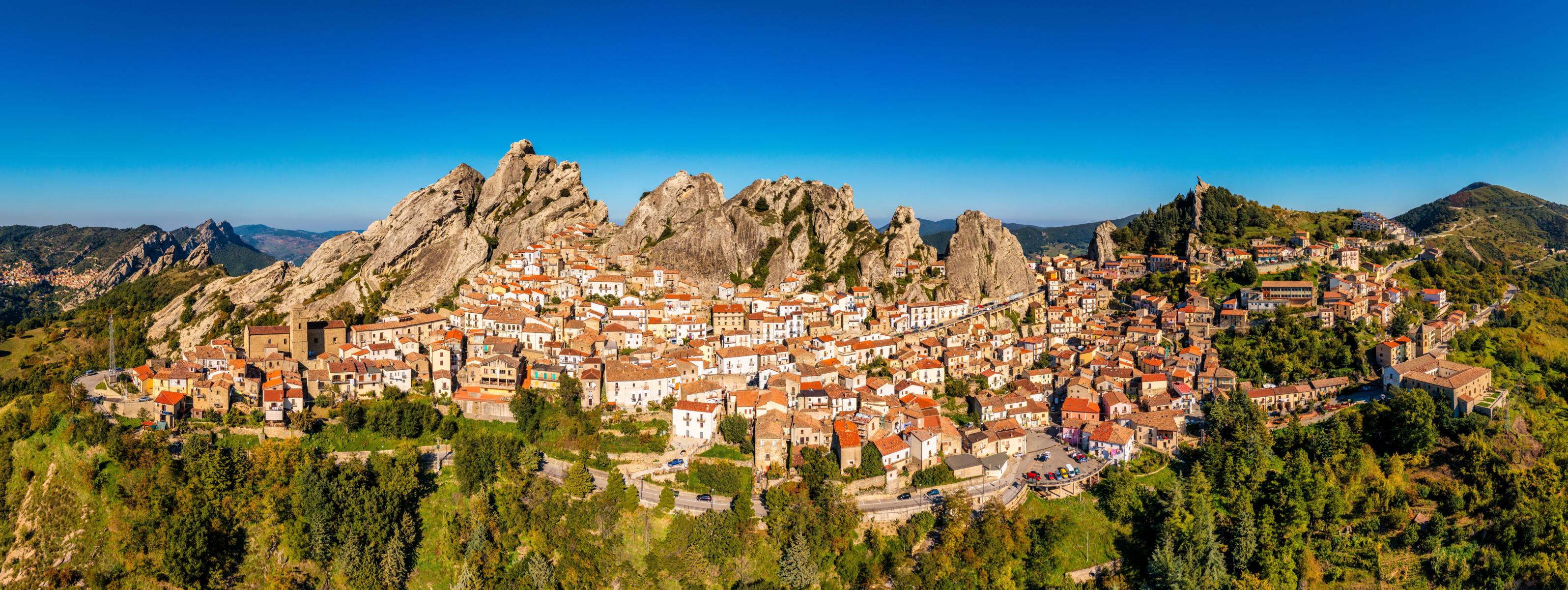
Castelmezzano
Extremely clean air, enchanting views, Castelmezzano is often and not by chance referred to as a landscape village and balcony of the Dolomites. When you reach Piazza Caizzo, the Town's Main Square, a Breathtaking View opens up before your eyes.
A village with only 800 inhabitants, a small town, but one that you immediately fall in love with after just a few steps and that you should definitely add to the list of sights in Basilicata.
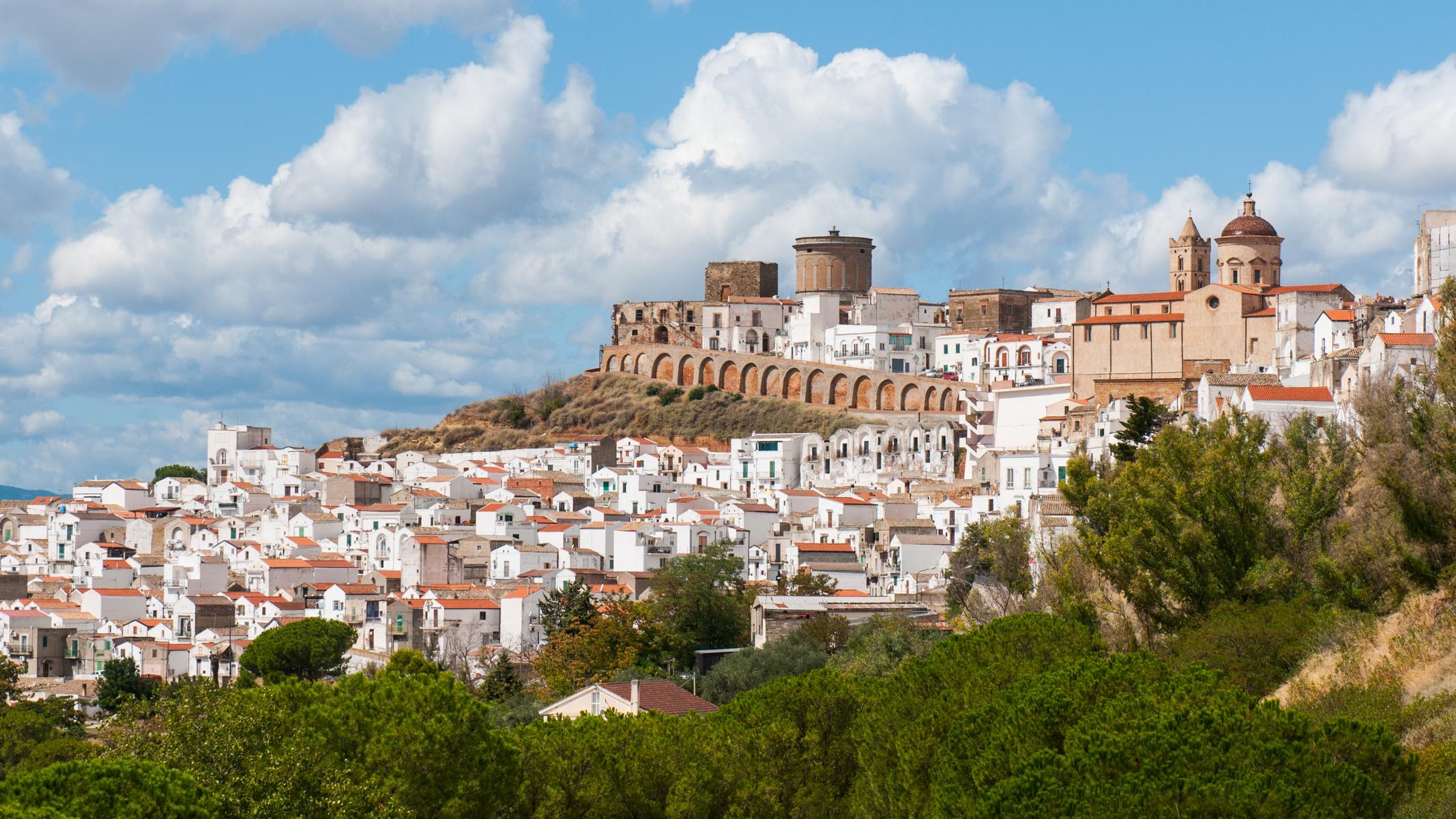
Pisticci - The White City
Pisticci, It is also known as the white city of Basilicata. They are located there Casedde, the white chalk-painted farmhouses with a red roof. These houses are arranged in long rows in the romantic district of Dirupo, which was included in the list of “100 Wonders of Italy to Preserve.”
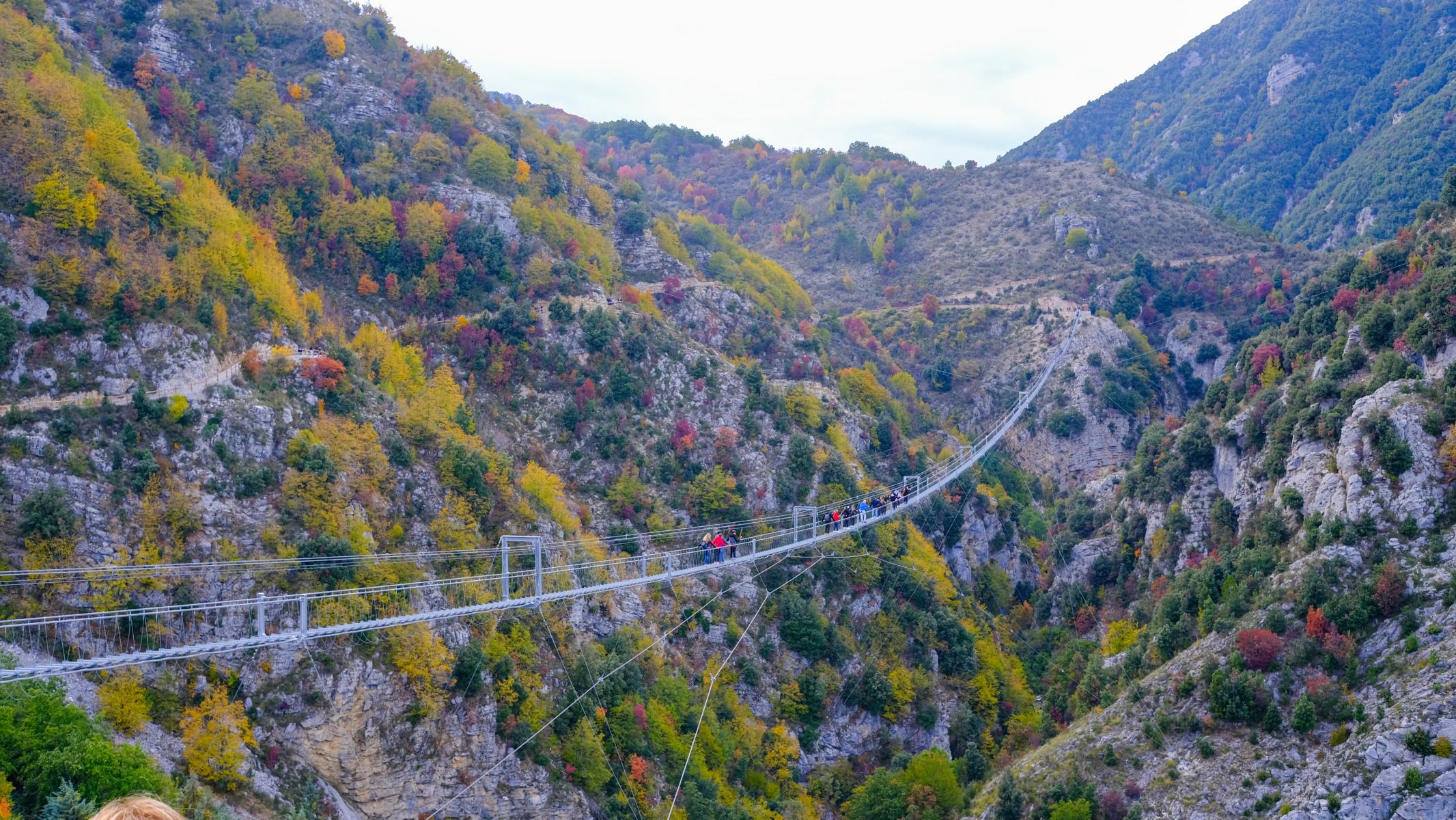
Castelsaraceno
Castelsaraceno is a heart-shaped village where the longest Tibetan bridge in Italy, Europe and the world is located! It is necessary to cross 586 m, 1160 steps into the void, and 80 m above ground level. This Tibetan bridge connects two national parks. This technical masterpiece is located in a very impressive landscape and despite its size, it is suitable for everyone: families with children, groups of friends and couples who love strong emotions and adrenaline.
Basilicata culinary
What would Italy and in particular Basilicata be without diving into the culinary delights and embarking on a gourmet trip.
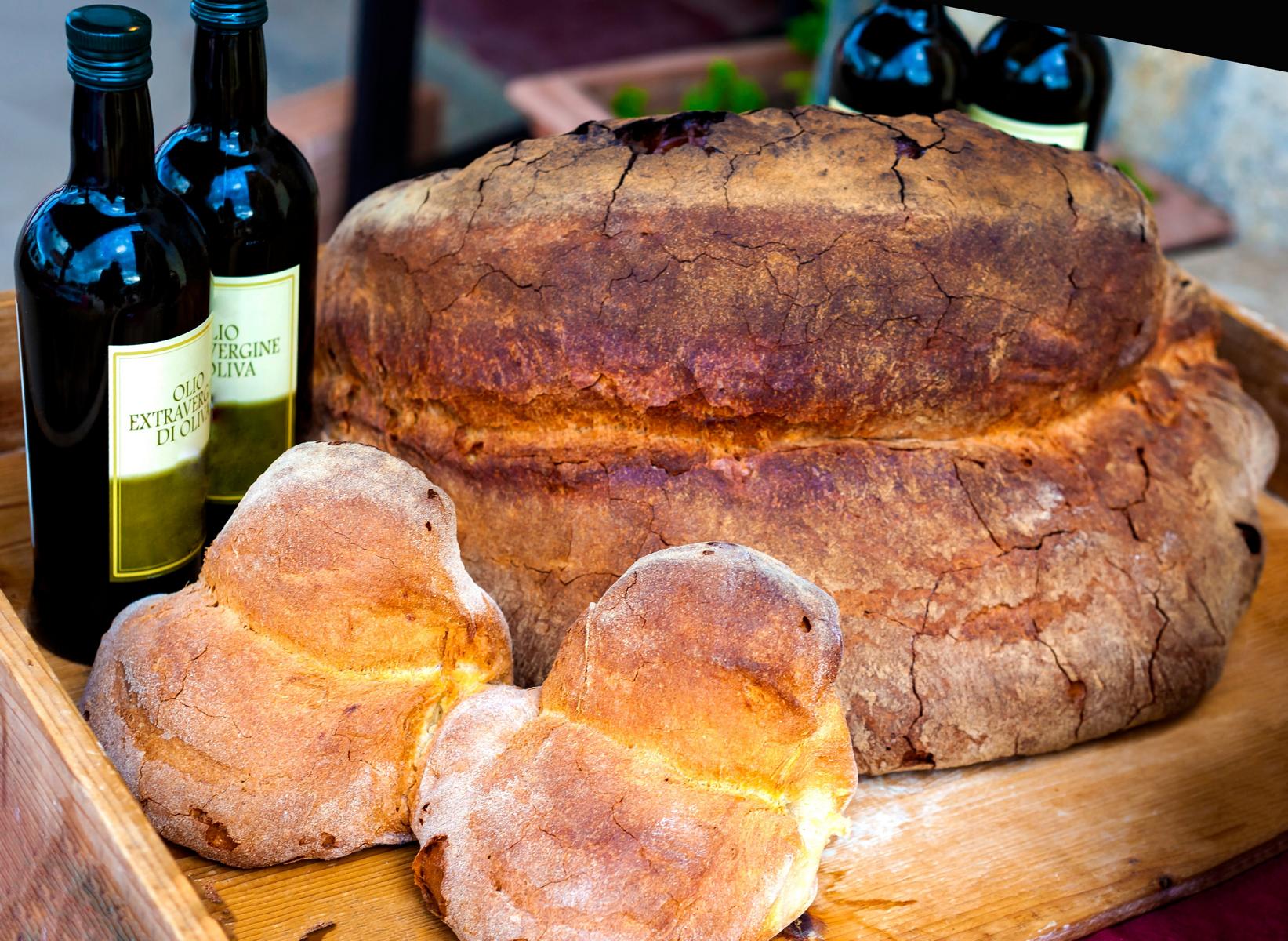
Home-made bread, pasta, lots of vegetables, fish from the coast and meat and sausage specialties in the mountainous region. Full-bodied olive oil and characterful wines such as Aglianico del Vulture (one of Italy's most appreciated wines) characterize the region.
It is a typical Mediterranean diet, a journey into unforgettable aromas and scents that can only be found there.